In modern architecture and interior design, the staircase has evolved far beyond its traditional purpose. Today, it is not only a structural link between floors but also a centerpiece that reflects the homeowner’s taste, creativity, and appreciation for craftsmanship. Among the many staircase trends redefining contemporary spaces, Wood Slab Staircases have emerged as one of the most breathtaking and organic design statements.
These staircases perfectly combine the raw beauty of natural wood with refined architectural sophistication, creating a visual journey that feels alive within the home.
Introduction: When Nature Meets Architecture
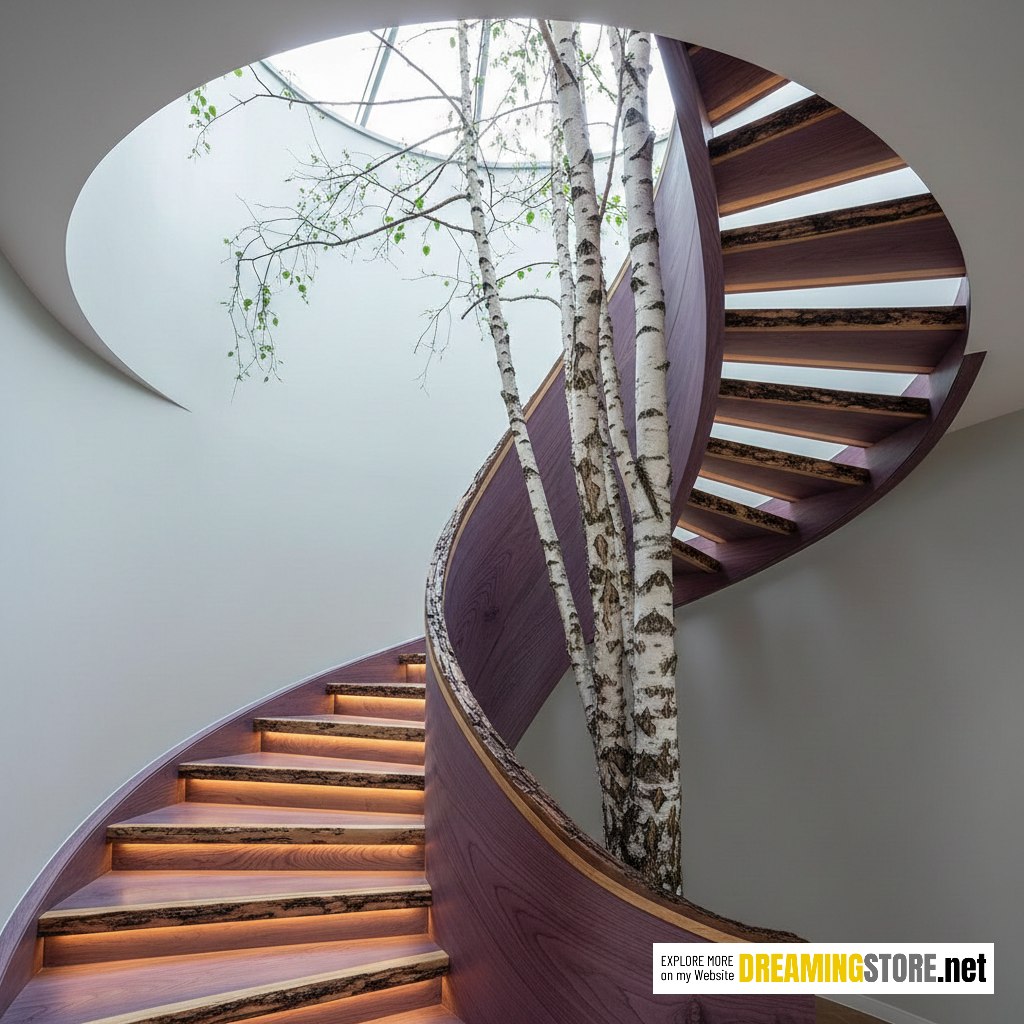
Imagine walking through a home where nature seamlessly intertwines with architecture—where a living birch tree grows through the center of a spiral staircase, its bark complementing the natural edges of the wood steps. This is the essence of live edge wood staircases — organic, sculptural, and profoundly artistic.
Every piece of live-edge wood used in these staircases tells a story: the grain patterns, knots, and natural imperfections preserve the memory of the forest. Designers who embrace this style understand that beauty lies in authenticity and in allowing nature’s character to shine without excessive alteration.
The rise of Wood Slab Staircases represents more than just a visual trend; it’s part of a larger movement in interior design that celebrates sustainability, craftsmanship, and biophilic living. They remind us that materials sourced responsibly and designed thoughtfully can transform ordinary architecture into emotional experiences.
The Aesthetic Appeal of Wood Slab Staircases
1. The Allure of Live-Edge Beauty
The defining characteristic of live edge wood staircases is the use of live-edge wood, where the natural contours of the tree are left intact. This technique keeps the raw edge visible, resulting in each step appearing unique. Whether in oak, walnut, cherry, or cedar, the bark-trimmed sides contrast beautifully with the smooth polished surfaces of the treads.
The visual rhythm created by these natural lines enhances the fluidity of movement. In spiral and helical staircase designs, the organic flow of wood complements the curvature, giving the entire space a sculptural presence.
2. Natural Light and Warmth
Wood, by its nature, adds warmth to interiors. When used for staircases—especially those placed near skylights or large vertical windows—the effect is luminous. The sunlight enhances the grain patterns, creating subtle shifts in tone throughout the day. Designers often integrate LED lighting beneath each step, accentuating both safety and elegance.
3. Statement of Organic Luxury
Unlike metal or concrete, live edge wood staircases embody luxury through simplicity. Their tactile richness, earthy colors, and connection to nature resonate deeply with those who value authenticity over artificial perfection. Each staircase becomes a bespoke art piece—an emotional anchor in the home.
Design Variations and Inspirations
1. The Central Tree Spiral Staircase
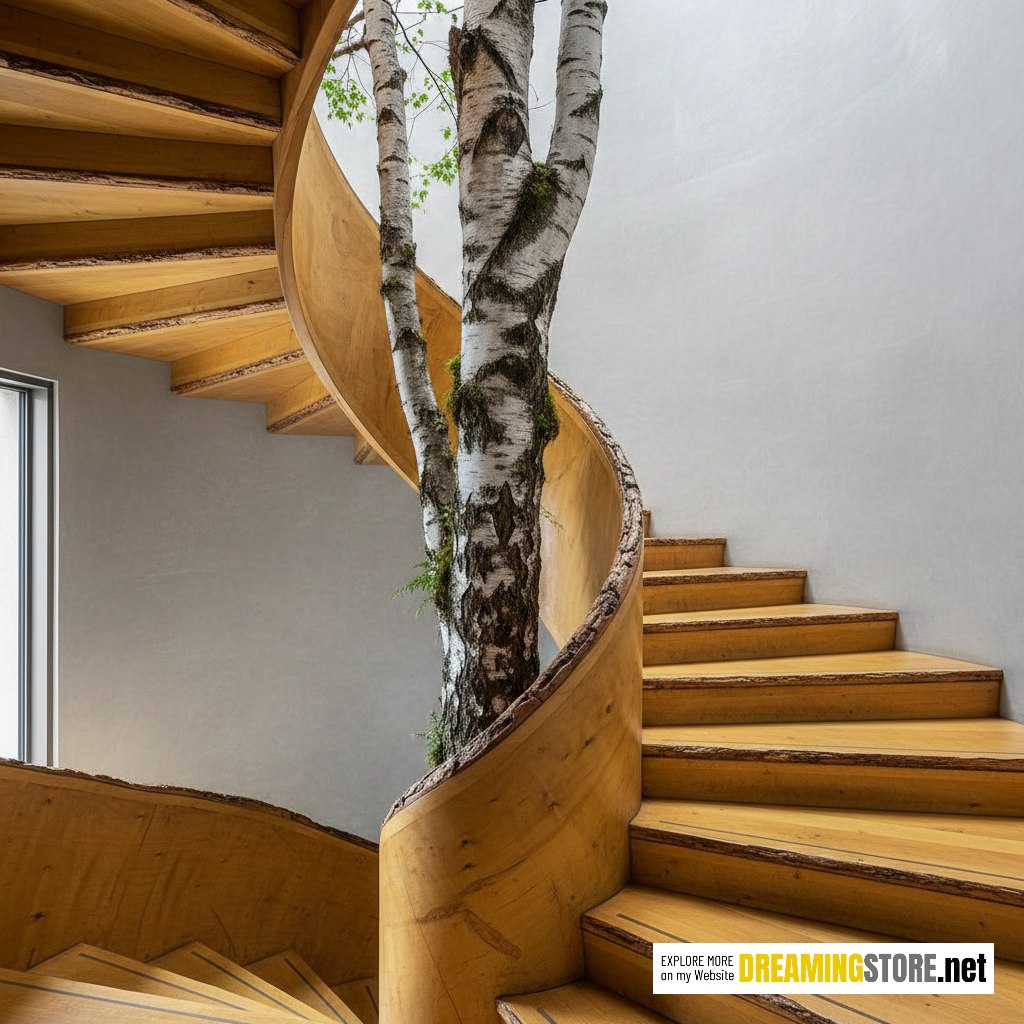
Some of the most mesmerizing examples of Wood Slab Staircases feature a living tree at their core, as seen in designs where birch or oak trunks rise through the staircase’s spiral. This arrangement symbolizes growth and harmony, turning an architectural necessity into a living sculpture.
The combination of natural light from skylights above and the texture of bark against polished steps creates an unforgettable interior statement—an atmosphere of serenity that blurs the line between indoors and outdoors.
2. Floating Wood Slab Steps
For minimalist interiors, floating live edge wood staircases are a perfect choice. These staircases seem to defy gravity, with each wooden tread appearing suspended in air. Hidden steel supports or wall-mounted brackets maintain the strength and safety while allowing the design to remain visually light.
This style works especially well in open-concept homes or loft apartments, where transparency and space play a vital role.
3. Combination of Wood and Glass
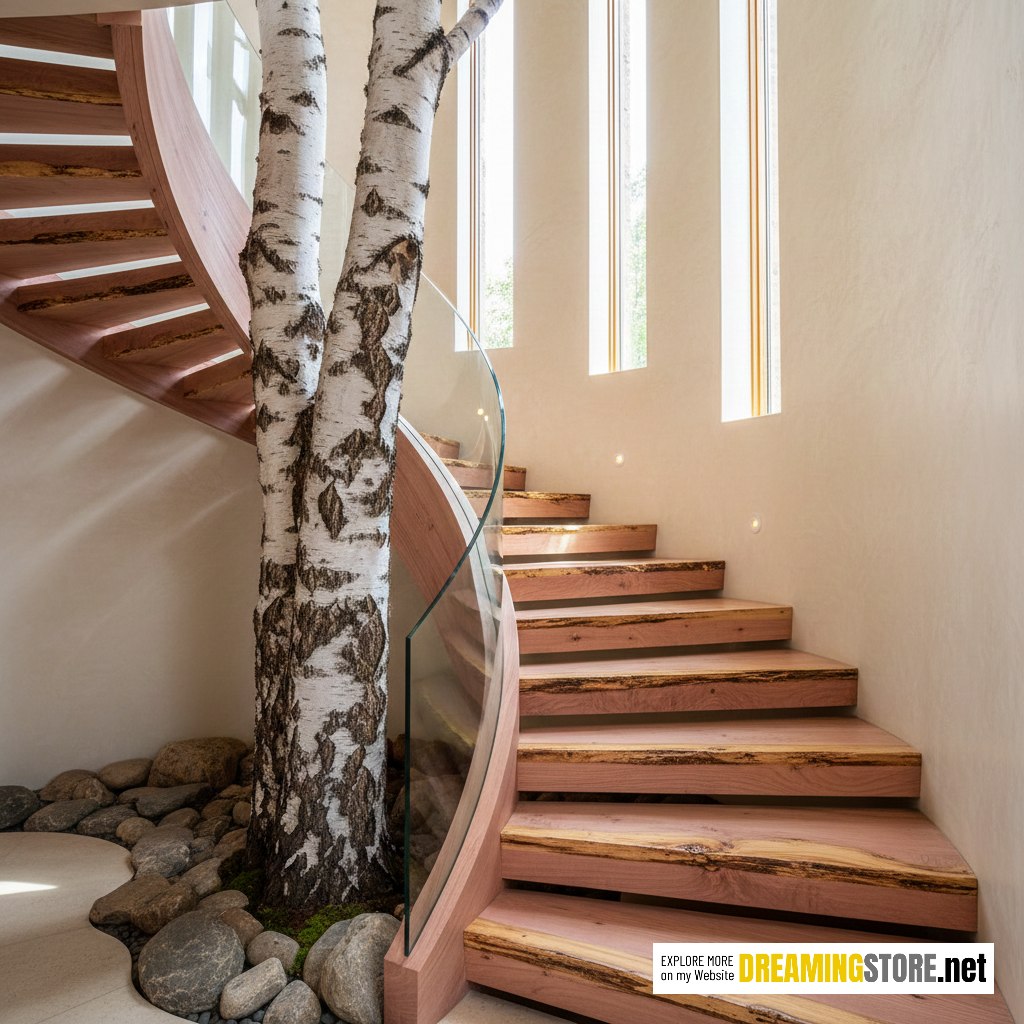
Blending modern materials like glass with organic wood creates a striking contrast. A glass railing paired with thick wood slab treads offers a sleek, sophisticated finish while keeping the natural charm intact. The transparency of glass allows the viewer to appreciate the live edges and fine craftsmanship of each wooden piece.
4. Rustic Meets Modern
Not all Wood Slab Staircases are contemporary. In rustic or mountain homes, these staircases can take on a rugged character. Rougher textures, darker stains, and heavier grains make them perfect for cabins or chalets, where they resonate with the natural surroundings.
Meanwhile, in modern urban homes, designers often opt for smoother finishes and geometric forms—demonstrating how versatile wood can be in different settings.
Craftsmanship Behind the Beauty
Selecting the Perfect Slab
Building live edge wood staircases begins with choosing the right slab. Each piece of lumber is carefully examined for strength, character, and stability. The wood must be properly dried to prevent warping or cracking, while its grain direction ensures both aesthetics and durability.
Hardwoods such as walnut, maple, oak, and ash are most commonly used due to their resilience and beautiful patterns.
Precision in Design and Joinery
Despite their organic appearance, Wood Slab Staircases require exceptional precision. Each tread must be measured and aligned to maintain uniformity and balance. Craftsmen often blend traditional joinery methods with modern engineering to ensure that the staircase is both strong and sculptural.
Finishing Touches
To preserve the natural feel, artisans use eco-friendly finishes such as linseed oil or matte polyurethane. These finishes protect the wood while allowing the texture and color to remain visible. In some designs, the bark edge is sealed to prevent chipping but left in its natural form for authenticity.
Integrating Wood Slab Staircases into Different Interior Styles
1. Scandinavian Minimalism
Scandinavian interiors embrace simplicity, light, and natural materials. A staircase made from pale ash or birch wood fits seamlessly into such spaces. Pairing it with white walls and large windows creates a serene, airy feel that emphasizes natural textures.
2. Modern Organic Homes
For contemporary homes, live edge wood staircases offer a way to balance modernity with warmth. Designers often combine black steel handrails, LED lighting, and clean architectural lines with rustic wood treads—resulting in a harmony between industrial and organic aesthetics.
3. Japanese Zen and Wabi-Sabi
The Japanese concept of wabi-sabi celebrates imperfection and impermanence—values beautifully echoed in live-edge staircases. Using reclaimed or weathered slabs enhances this feeling, reminding occupants of the passage of time and the beauty of nature’s irregularities.
4. Urban Luxury Lofts
In city lofts and penthouses, where concrete and metal dominate, Wood Slab Staircases introduce contrast. The texture of natural wood softens the industrial vibe, grounding the space with warmth and authenticity.
Sustainability and Environmental Considerations
One of the most important reasons behind the growing popularity of Wood Slab Staircases is their alignment with sustainable design principles. By using locally sourced or reclaimed wood, designers minimize environmental impact while celebrating natural beauty.
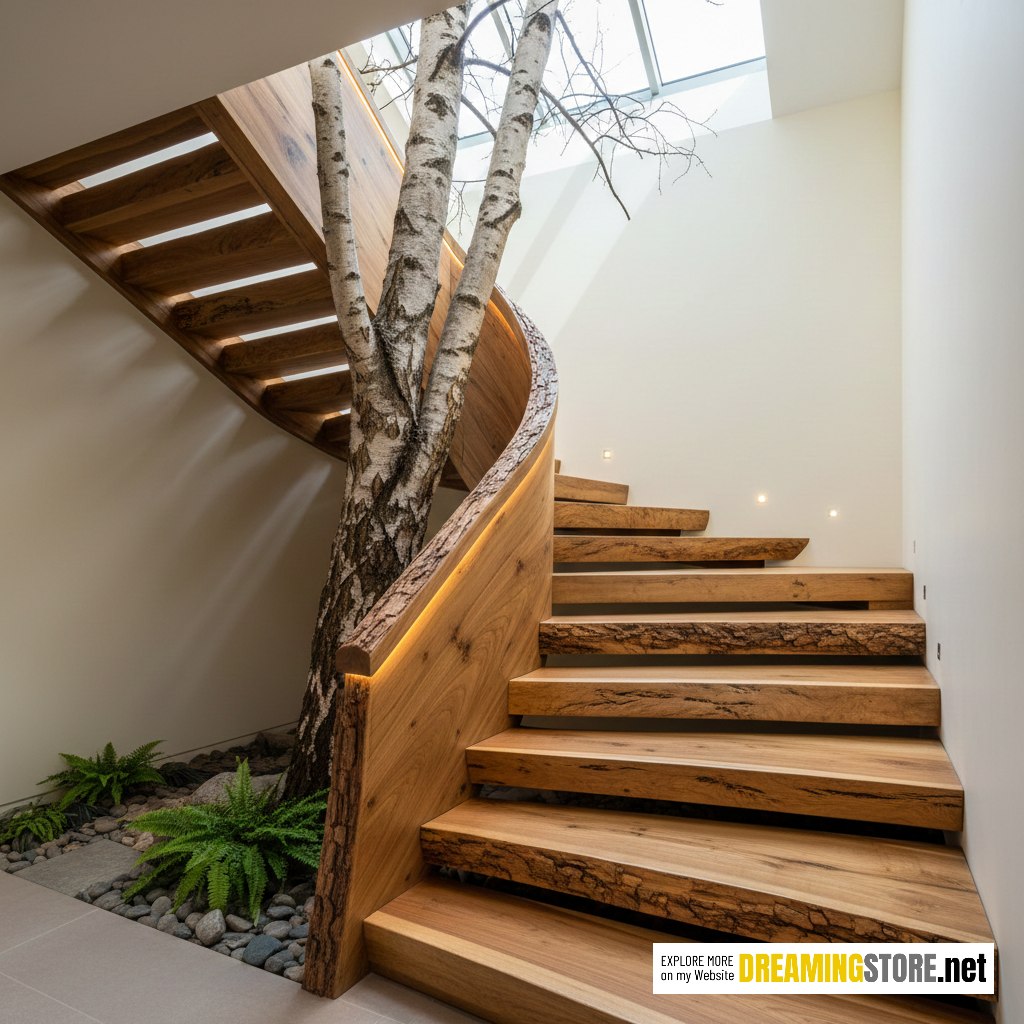
Moreover, these staircases often serve as a symbol of eco-conscious living—proof that luxury and sustainability can coexist. Some architects even design staircases around existing trees, preserving nature within the structure rather than removing it.
The combination of biophilic design and renewable materials ensures that each live edge wood staircase not only enhances the visual appeal of a home but also contributes positively to the environment.
The Emotional Impact of Organic Design
People are naturally drawn to organic forms. Curves, textures, and materials that remind us of nature have been proven to reduce stress and increase a sense of well-being. Wood Slab Staircases, with their flowing lines and tactile presence, create emotional depth in interiors.
They invite interaction—you feel compelled to run your hand along the grain or pause to admire how the light shifts across each step. This sensory experience goes beyond aesthetics; it’s about connection—between human, home, and nature.
Maintenance and Longevity
1. Regular Cleaning
Maintaining live edge wood staircases involves simple but consistent care. Dust should be removed regularly with a soft cloth, and any spills cleaned immediately to avoid staining the wood.
2. Protecting the Finish
To preserve the wood’s natural luster, homeowners should occasionally reapply protective finishes. Using non-toxic oils or waxes helps nourish the material and highlight the grain.
3. Climate Control
Because wood responds to humidity and temperature, maintaining a stable indoor environment prevents expansion or contraction. This ensures that the staircase remains stable and beautiful for decades.
The Future of Staircase Design
As architecture becomes increasingly focused on sustainability and human experience, Wood Slab Staircases are likely to dominate future trends. With advanced woodworking technologies such as CNC cutting and 3D modeling, craftsmen can now produce intricate shapes while maintaining structural integrity.
We’ll continue to see innovative hybrids—wood combined with stone, resin, glass, or even embedded lighting—pushing the boundaries of what a staircase can represent. But even as technology evolves, the soul of these designs will always be rooted in nature’s artistry.
FAQs About Wood Slab Staircases
1. What makes Wood Slab Staircases different from regular wooden stairs?
The main difference lies in their authenticity and craftsmanship. live edge wood staircases are made using live-edge or full slabs of wood, meaning the natural edge of the tree is kept intact instead of being cut straight. This preserves the unique contours, grains, and imperfections of the wood, giving every staircase a one-of-a-kind sculptural look. Unlike conventional wooden stairs, they highlight the organic beauty of nature within a refined architectural form.
2. What types of wood are best for building Wood Slab Staircases?
The most popular choices include walnut, oak, maple, ash, cherry, and teak. These hardwoods are durable, stable, and rich in texture—ideal for supporting heavy foot traffic while maintaining aesthetic appeal. The choice of wood also affects the mood of your interior: walnut and cherry bring a luxurious warmth, while ash and maple offer a lighter, Scandinavian feel.
3. Can Wood Slab Staircases be used in modern homes or only rustic spaces?
Absolutely—they’re highly versatile. While live edge wood staircases often complement rustic cabins or nature-inspired homes, designers are increasingly integrating them into modern, minimalist, and even industrial interiors. The combination of natural wood with glass, steel, or LED lighting makes them equally stunning in contemporary architecture. Whether your home features neutral tones or bold contrasts, a wood slab staircase can anchor the entire design with warmth and sophistication.
4. Are Wood Slab Staircases environmentally friendly?
Yes, when built responsibly. Many artisans and architects source slabs from reclaimed wood or fallen trees, reducing waste and promoting sustainability. Because Wood Slab Staircases celebrate natural imperfections, less processing and cutting are needed, which also minimizes environmental impact. Choosing local wood species and eco-safe finishes further enhances their green value.
5. How much maintenance do Wood Slab Staircases require?
Maintenance is simple but consistent. Dust the steps regularly with a soft, dry cloth and clean up spills immediately. To maintain the wood’s richness, apply protective oils or wax every 6–12 months. Avoid harsh chemicals and maintain stable indoor humidity levels to prevent cracking or warping. With proper care, your live edge wood staircase can remain a masterpiece for decades.
Refer to similar product models: Click here
Wood Slab Staircases embody everything contemporary interior design strives for—beauty, authenticity, and sustainability. They transform a simple architectural element into an emotional centerpiece, bridging the gap between human creativity and the natural world.
Whether spiraling gracefully around a living tree or floating elegantly within a minimalist space, these staircases remind us that true design is timeless. It respects the past, embraces the present, and shapes the future—all while keeping us connected to nature’s enduring rhythm.
For those seeking to bring warmth, artistry, and meaning into their homes, live edge wood staircases are not just a trend—they’re a testament to the living harmony between design and life itself.