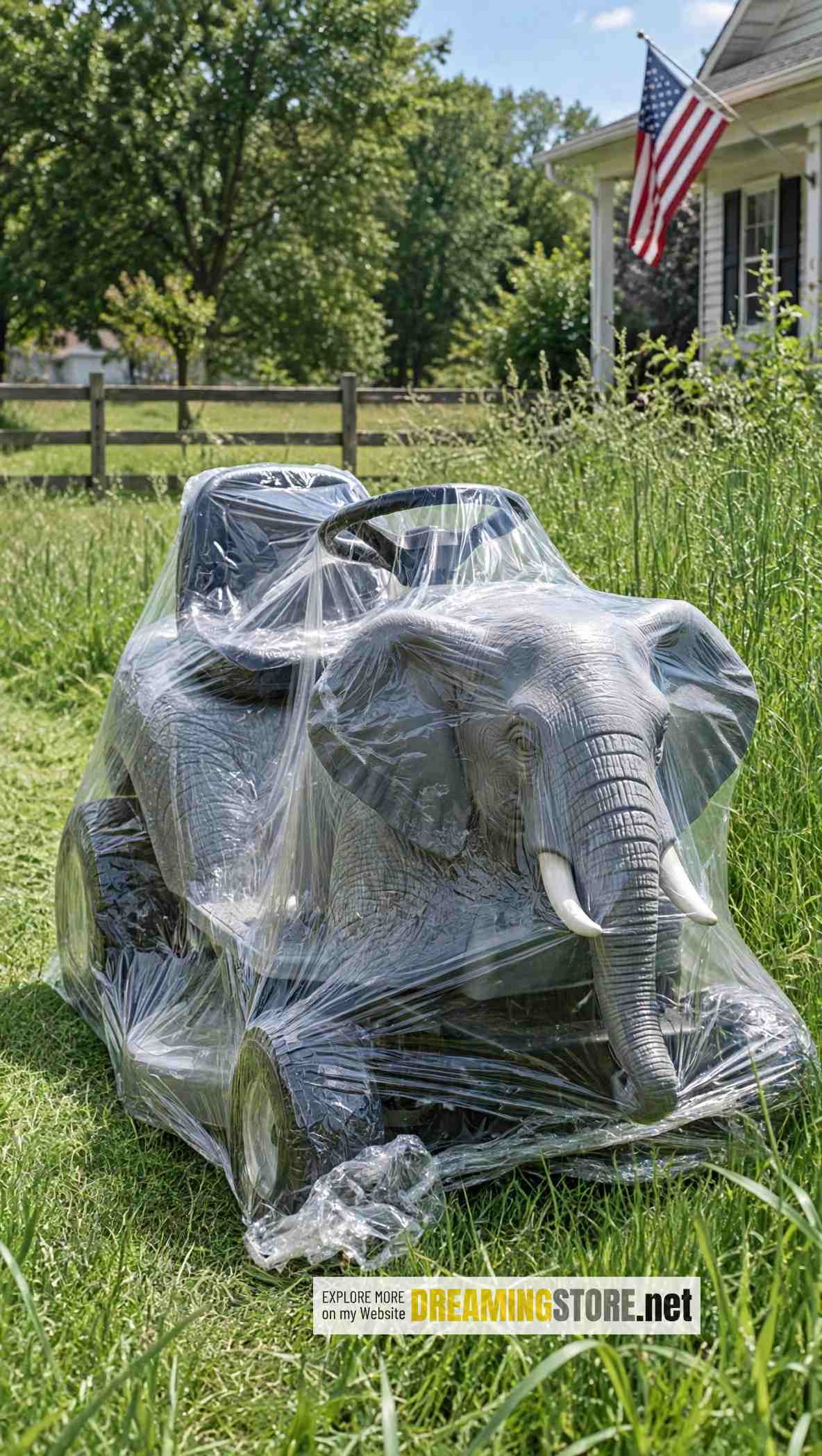
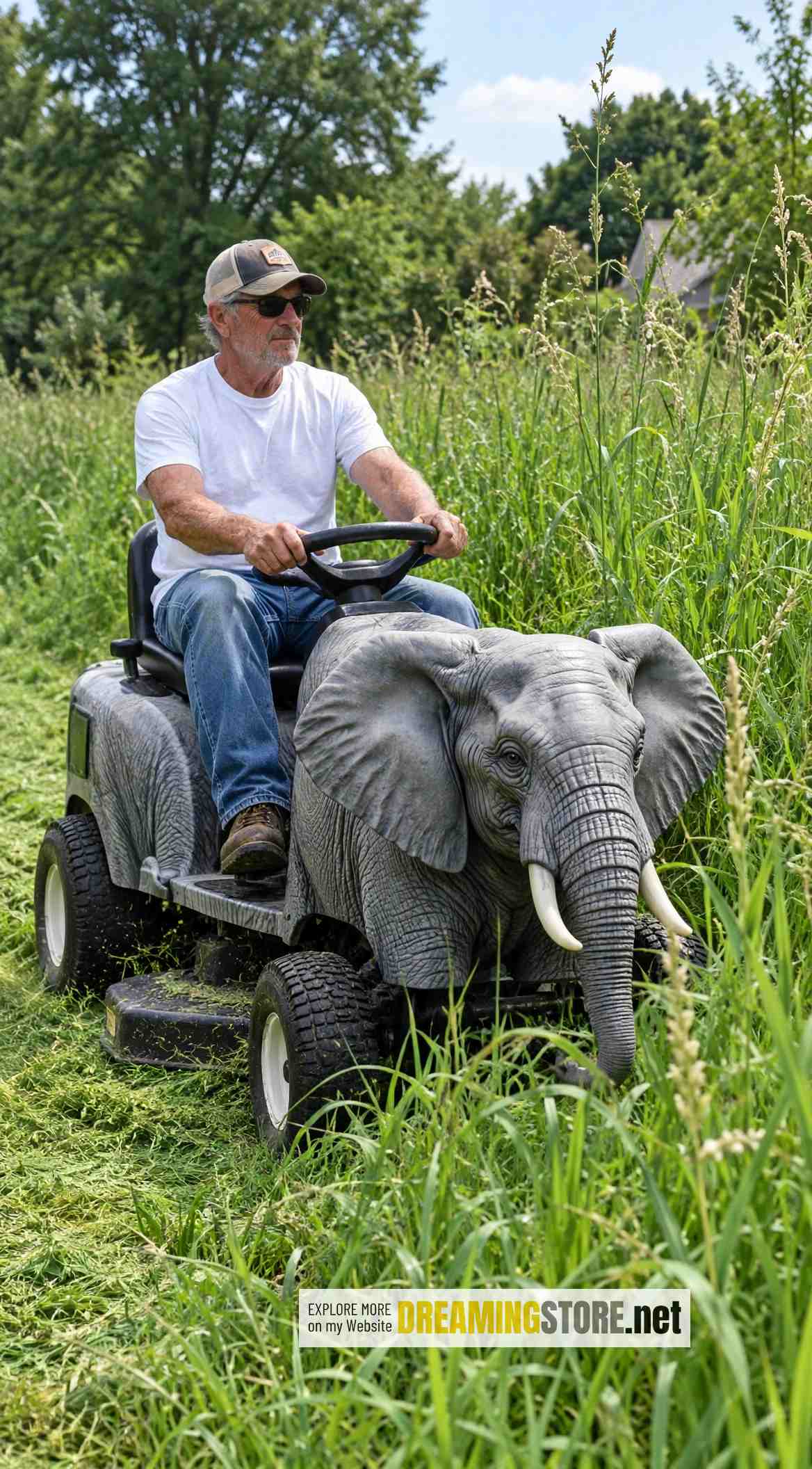
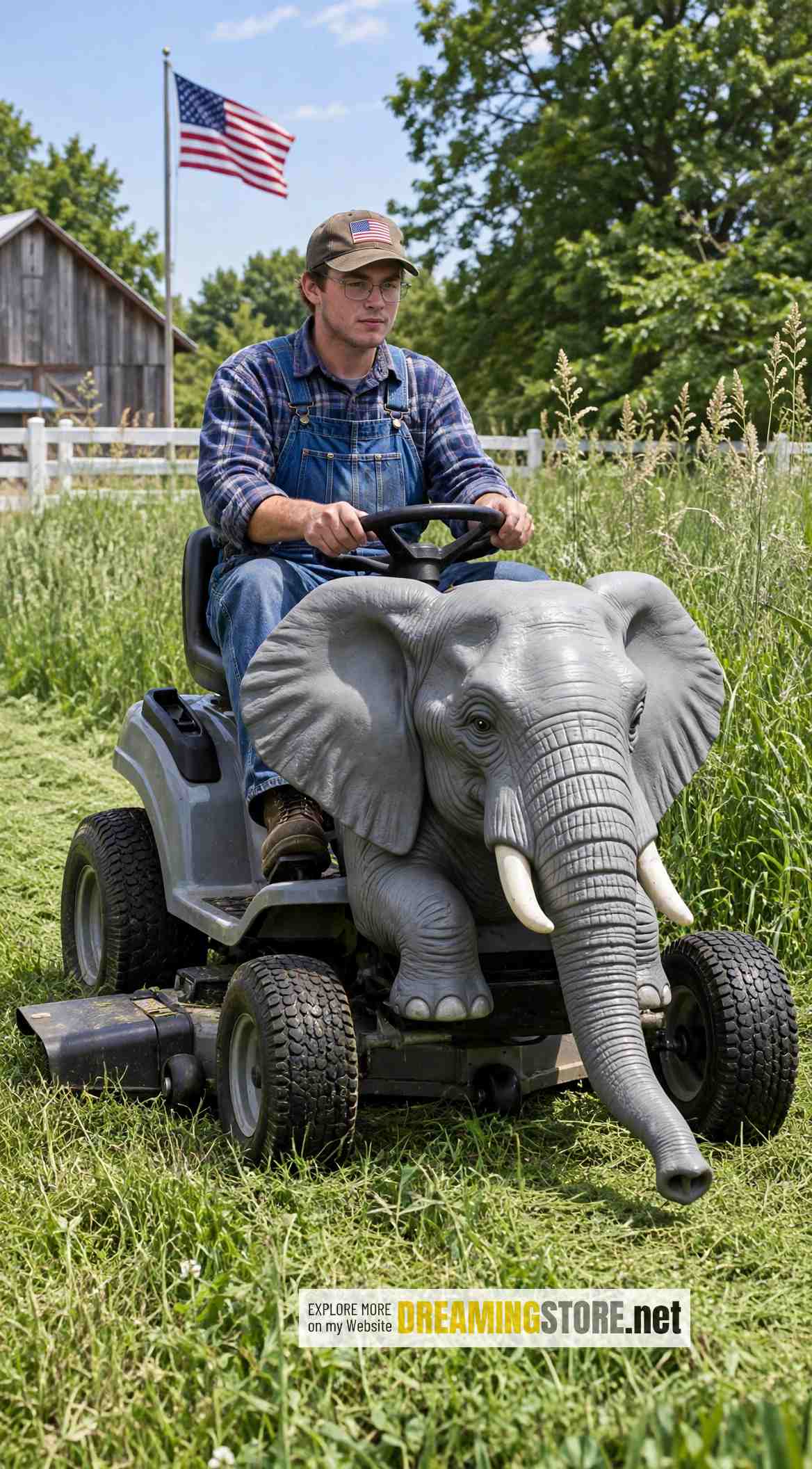
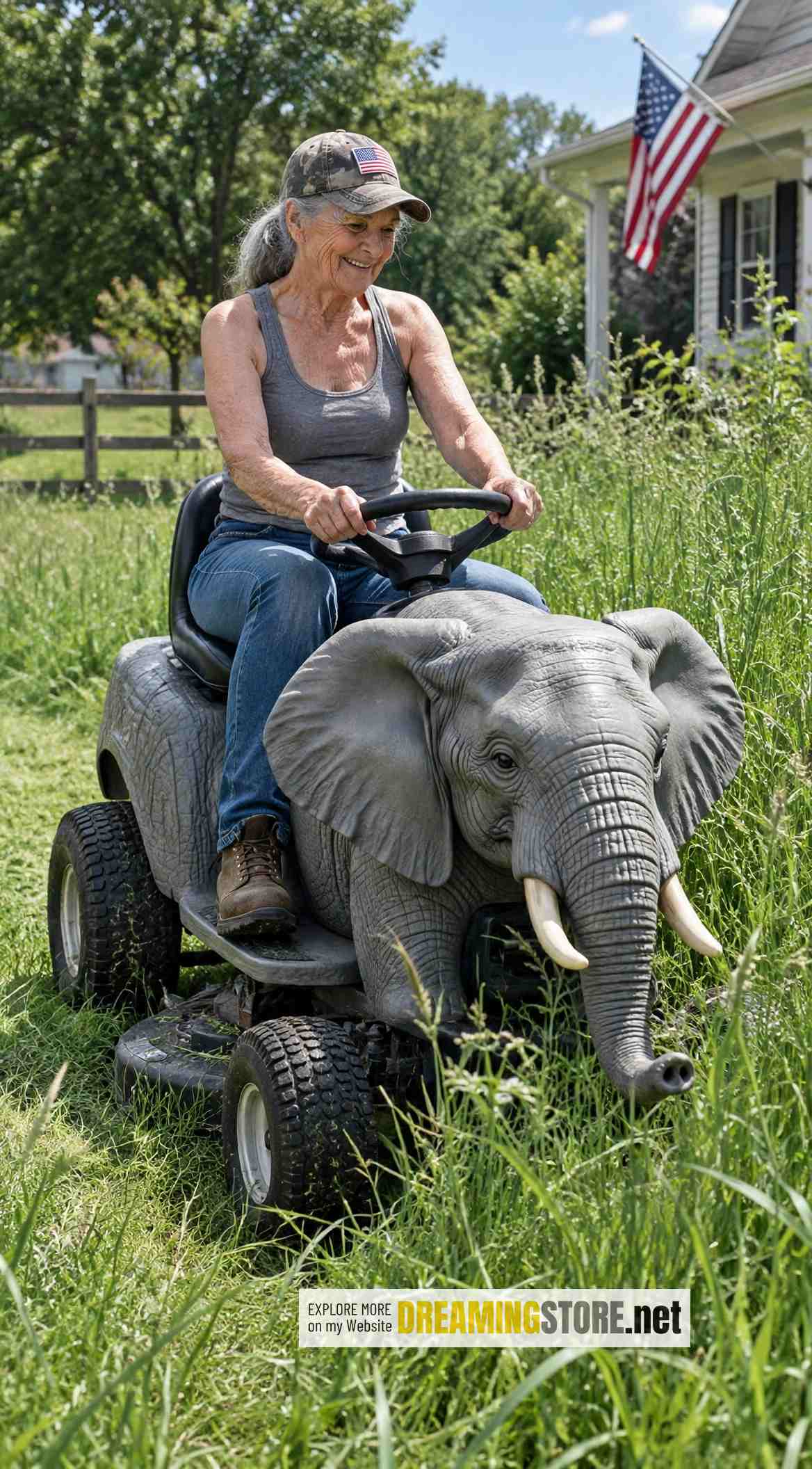
Enter the Elephant Riding Mower, a powerhouse engineered to conquer severe terrain while offering high-capacity mowing solutions. Designed with giant features built for massive lawn care, this specialized equipment bridges the gap between residential lawn care and industrial agricultural maintenance.
This guide explores the architecture, engineering, performance metrics, and operating guidelines for heavy-duty mowing equipment, detailing why the elephant-shaped mower stands out in large-capacity land management.
1. Understanding the Need for High-Capacity Mowers
Property owners managing large tracts of land quickly recognize the limitations of standard lawn mowers. A standard residential riding tractor works well for manicured Suburban lawns under one acre, but taking that same machine onto three, five, or ten acres of dense, overgrown vegetation leads to frequent mechanical failures.
The Limitations of Standard Equipment
Standard mowers face several core failure points when subjected to massive workloads:
-
Thermal Stress: Small engines running under constant full load on large acreage experience severe thermal buildup, breaking down oil viscosity and shortening engine life.
-
Deck Jamming: Narrow discharge chutes and low-horsepower decks clog when cutting wet, thick, or tall grass, requiring frequent stops for manually clearing debris.
-
Structural Wear: Light-gauge stamped steel frames flex and warp under the stress of rough, unpaved terrain.
-
Operator Fatigue: Minimal suspension systems and small, rigid seating transmit shocks directly to the driver, making hours of operation physically draining.
“You can find where to buy similar products at the end of this article!”
The Heavy-Duty Solution
Heavy-duty equipment like the Elephant Riding Mower addresses these challenges directly. Built around industrial-grade components, these machines handle continuous operational cycles across demanding landscapes without sacrificing cut quality or machine longevity.
By prioritizing heavy-gauge materials, high-output powertrains, and wide cutting decks, an elephant-shaped mower turns multi-hour chores into efficient, streamlined operations.
2. Key Architectural & Design Features of the Elephant Riding Mower
The name implies strength, scale, and resilience. Examining the physical build and mechanical layout reveals why the elephant-shaped mower earns its reputation as a heavyweight performer.
Ultra-Durable Steel Frame
At the core of an Elephant Riding Mower is a welded, heavy-gauge steel chassis. Unlike consumer units stamped from thin sheet metal, industrial mowers utilize tubular or channel-section steel frames. This rigid foundation absorbs vibrations, resists torsional twisting on uneven slopes, and safely supports the engine and deck weight.
Commercial-Grade Fabricated Cutting Decks
The deck of an elephant-shaped mower is crafted to withstand impacts from hidden rocks, tree roots, and dense debris. Fabricated decks are welded from thick 7-gauge or 10-gauge steel plates, often reinforced along the leading edges with solid steel bars. Deep-deck design principles optimize airflow, lifting heavy or wet grass blades before clean cutting and rapid discharge.
Industrial Powertrains and Engines
Powering an Elephant Riding Mower requires heavy-duty combustion or commercial electric powerplants. High-displacement V-Twin or commercial diesel engines deliver substantial torque at lower RPMs. This torque keeps blade tip speeds high even in dense foliage, preventing engine bog down.
All-Terrain Traction Systems
Weight distribution and tire contact patches are critical when maneuvering heavy machinery over soft or sloping ground. The elephant-shaped mower uses wide, deep-tread pneumatic tires that spread machine weight over a larger footprint, maximizing traction while preventing excessive turf compaction or rutting.
3. Power and Performance Metrics
Evaluating large-scale cutting equipment requires reviewing performance metrics that dictate field productivity. An Elephant Riding Mower is engineered to optimize these metrics for demanding environments.
Engine Horsepower and Torque Output
Horsepower drives speed, but torque maintains performance under heavy resistance. An elephant-shaped mower features commercial engines designed to deliver consistent torque across variable terrain. High torque keeps blade tip speeds optimal, preserving cut quality without straining the engine.
Blade Tip Speed (BTS)
Blade Tip Speed—measured in feet per minute (FPM)—determines cut quality and clip dispersion. High-end commercial equipment targets tip speeds near the legal maximum (approx. 18,500 FPM). Maintaining this speed enables an Elephant Riding Mower to cleanly slice grass rather than tear it, promoting healthier turf recovery and preventing brown tips.
Hydrostatic Drive Systems
Equipped with dual hydrostatic transmissions or heavy-duty hydraulic pumps, the elephant-shaped mower delivers smooth, step-less speed control and precise maneuvering. Hydraulic cooling systems allow long operational runs without thermal breakdown of fluid, ensuring consistent power delivery to the drive wheels.
Fuel Capacity and Operational Range
Frequent refuel stops interrupt workflow. The Elephant Riding Mower features large fuel tanks—often ranging from 8 to 12 gallons—allowing operators to complete extensive cutting sessions without downtime.
4. Cutting Decks and Blade Systems
The cutting assembly directly impacts finishing quality and operational efficiency. The Elephant Riding Mower uses advanced deck design and flexible blade systems to handle varied property layouts.
Deck Width and Acreage Coverage
Cutting deck widths for high-capacity equipment typically range from 54 inches to 72 inches or wider. Selecting the right size for an elephant-shaped mower depends on acreage and property layout:
-
54-Inch Decks: Ideal for properties between 2 and 4 acres with gate restrictions or dense tree clusters.
-
60-Inch Decks: The balance for properties from 4 to 8 acres, providing high speed while navigating typical estate obstacles.
-
72-Inch+ Decks: Engineered for open pastures, commercial lawns, and fields exceeding 8 acres, maximizing square footage cleared per pass.
Blade Configurations and Discharge Options
An elephant-shaped mower supports flexible discharge styles:
-
Side Discharge: Expels heavy grass clippings over a wide area, reducing clogging in overgrown fields.
-
Mulching Kits: Specialized baffled decks and dual-edge blades chop grass into fine deposits that decompose quickly, recycling nutrients back into the soil.
-
Bagging Systems: High-vacuum collection systems gather leaves, thatch, and clippings for clean, manicured lawns.
Deck Height Adjustment Mechanisms
Precision height adjustments are vital when transitioning between manicured turf and field maintenance. The Elephant Riding Mower uses foot-pedal deck lifts and quick-select pin systems, allowing operators to adjust cutting height in 1/4-inch increments while seated.
5. Ergonomics and Operator Comfort
Extended mowing sessions can cause physical fatigue if operator comfort is neglected. The elephant-shaped mower incorporates ergonomic features to keep operators comfortable and focused during long work shifts.
Operator Seating and Suspension
Vibration and ground impact take a toll on the lower back. An elephant-shaped mower features full-suspension high-back seats with adjustable lumbar support, weight-compensation controls, and armrests. Advanced dampening systems isolate the operator from frame vibrations.
Intuitive Controls and Steering Options
Different steering configurations match varying terrain and preferences:
-
Zero-Turn Lap Bars: Twin-lever steering offers precise control and 360-degree turning agility, cutting trim time around obstacles.
-
Steering Wheel Systems: Traditional tilt-steering wheels paired with four-wheel steering provide enhanced stability on steep slopes and familiar operation for tractor users.
Climate and Protective Accessories
For protection against sun, rain, and debris, an Elephant Riding Mower can be customized with:
-
Hard-top overhead canopies or ROPS-mounted sunshades.
-
Enclosed cabs with heating and air conditioning for year-round work.
-
High-intensity LED headlight packages for low-light or early-morning operation.
6. Safety Standards and Terrain Capability
Operating heavy equipment across uneven ground requires built-in safety features and clear operating procedures. The elephant-shaped mower integrates multiple safety systems to protect operators and bystanders.
Rollover Protective Structures (ROPS)
Slopes and drop-offs introduce rollover risks. An Elephant Riding Mower comes equipped with certified Rollover Protective Structures (ROPS) paired with seatbelts. A foldable ROPS design enables passage under low tree branches while preserving protection on open hillsides.
Slope Stability and Weight Distribution
A low center of gravity and wide wheel stance keep the elephant-shaped mower planted firmly on slopes. Proper weight distribution prevents front-end lifting during uphill climbs and maintains traction during downhill passes.
Safety Interlock Systems
Integrated safety switches enforce safe operating habits:
-
Automatic blade disengagement when the operator leaves the seat.
-
Parking brake interlocks that prevent engine startup while in gear.
-
Emergency cutoff controls for immediate machine shutdown.
Find related products to buy: Click here
FAQs
1. What is the maximum safe slope for operating a riding mower? Most standard riding mowers operate safely on slopes under 15 degrees. For steeper inclines, specialized mowers or four-wheel-drive equipment are recommended to prevent rollovers.
2. How often does a riding mower require maintenance? Perform basic checks like checking engine oil and blade sharpness every 25 to 50 hours of use. Full system maintenance, including fluid and filter changes, should occur annually or every 100 hours.
3. How do I select the right cutting deck size? Deck size depends on acreage and obstacles. A 42 to 54-inch deck works well for 2 to 4 acres with trees or gates, while a 60 to 72-inch deck is best for open lawns over 5 acres.
Investing in high-capacity property maintenance equipment requires evaluating performance, structural durability, operator safety, and long-term utility.
-
Built for Tough Terrain: The Elephant Riding Mower utilizes welded structural steel frames and thick fabricated decks to endure challenging landscapes.
-
Commercial Performance: High-torque powertrains maintain high blade speeds, providing clean cuts in dense vegetation without bogs or stalling.
-
Operator Centric: Suspension seating, intuitive control options, and ergonomic setups reduce physical strain during long work days.
-
Safety First: ROPS frames, low centers of gravity, and safety interlocks protect operators across variable terrain.
-
Year-Round Utility: Versatile attachment options allow an elephant-shaped mower to handle towing, leaf collection, and property maintenance across all four seasons.
For property owners and commercial operators looking to elevate land care efficiency, the Elephant Riding Mower delivers the strength, capacity, and precision needed to conquer massive mowing tasks easily.